
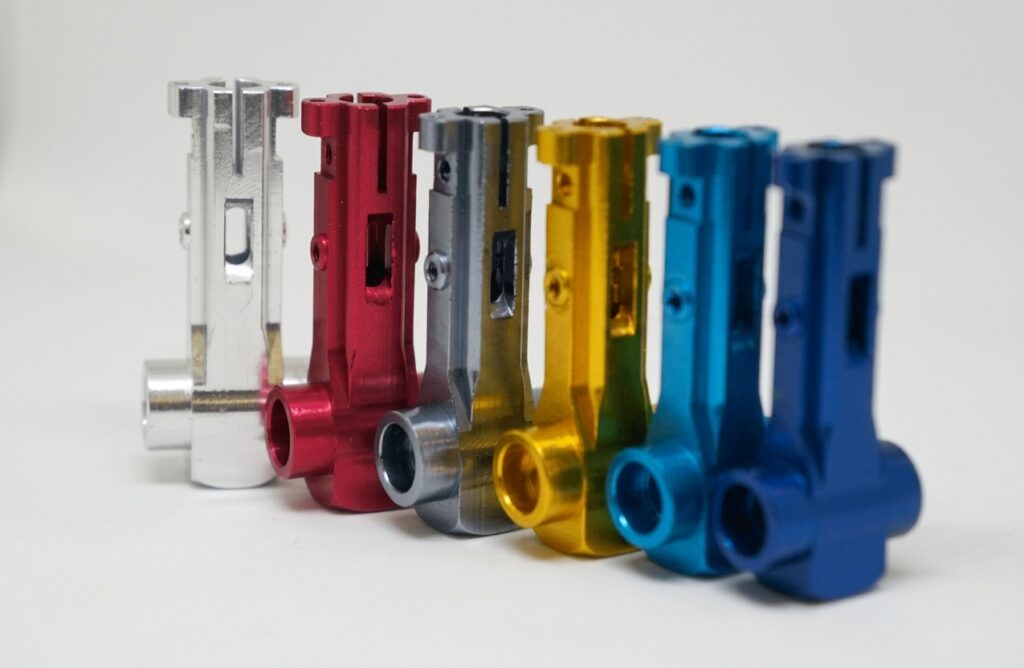
Aluminum Protection – Comparing Type I vs. Type II/III for Design Engineers
When you are designing aluminum components that need to hold up against corrosion, wear or repeated stress, the anodizing specification you select has a direct effect on performance. Type I, Type II and Type III each produce different surface characteristics. Choosing the wrong one can lead to premature part failure or unnecessary expense. Let me […]

Spec Navigation 101: MIL/AMS Requirements Without the Headaches
If you work with aerospace components, you have likely encountered the alphabet soup of specifications that accompany every finishing requirement. MIL specs, AMS standards and various other acronyms appear on drawings, purchase orders and quality plans. Understanding what these specifications actually require and how to comply with them can feel like a full-time job. This […]
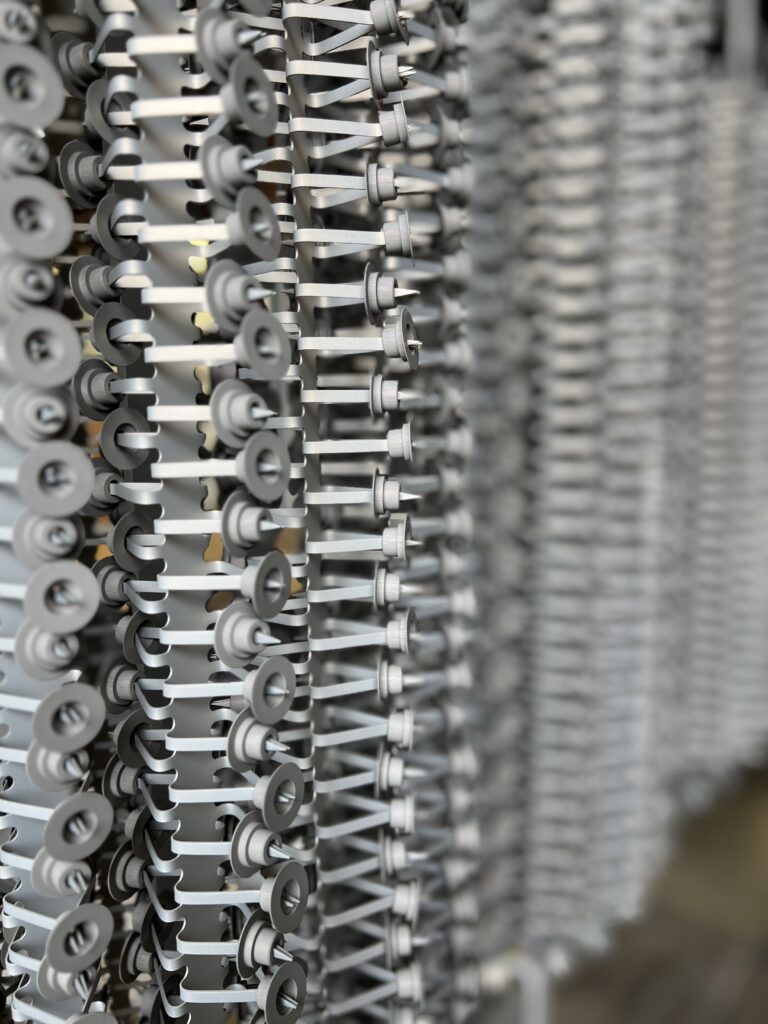
Spec Basics – MIL-A-8625 Type I in Plain English
If you work with aluminum components for aerospace or military applications, you have likely seen MIL-A-8625 Type I on a print. But understanding what that specification actually means for your parts is another matter. This article breaks down Type I chromic anodizing into three simple concepts: thickness, sealing and continuity. By the end, you will […]
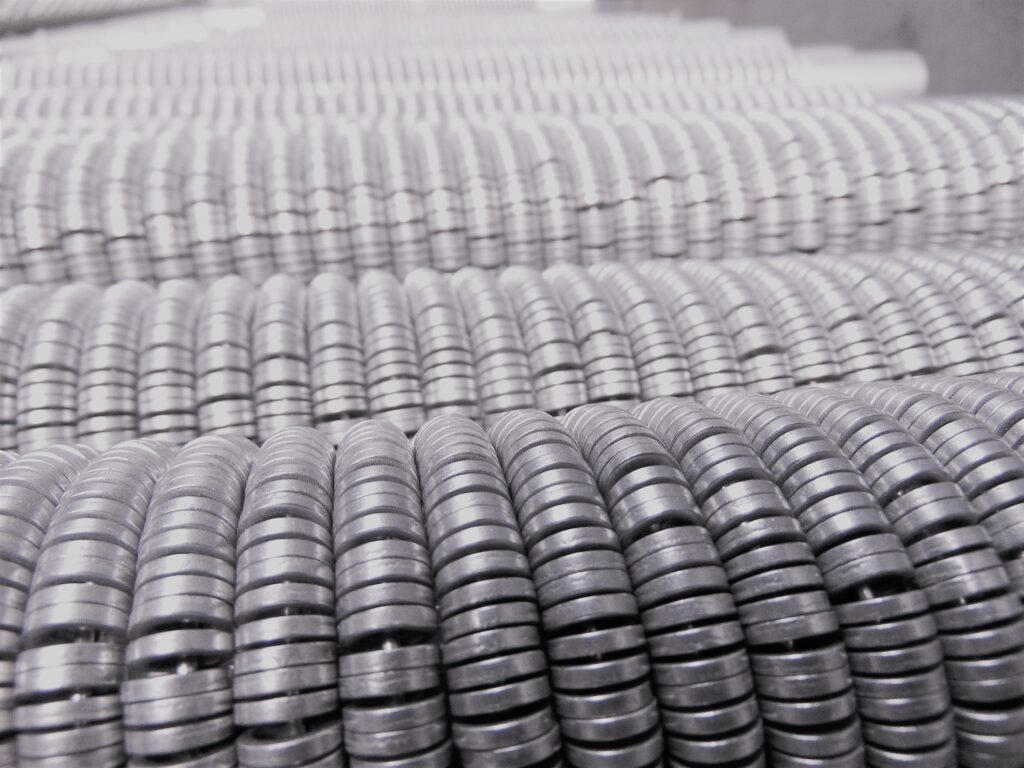
Why Chromic Anodize Still Matters for Aerospace Fatigue Life
The difference between a part that flies and a part that fails often comes down to the surface in aerospace manufacturing. When dealing with high-stress aluminum components, the conversation usually starts and ends with chromic acid anodizing. While other coatings have entered the market, Type I anodizing remains the standard for one specific reason: it […]
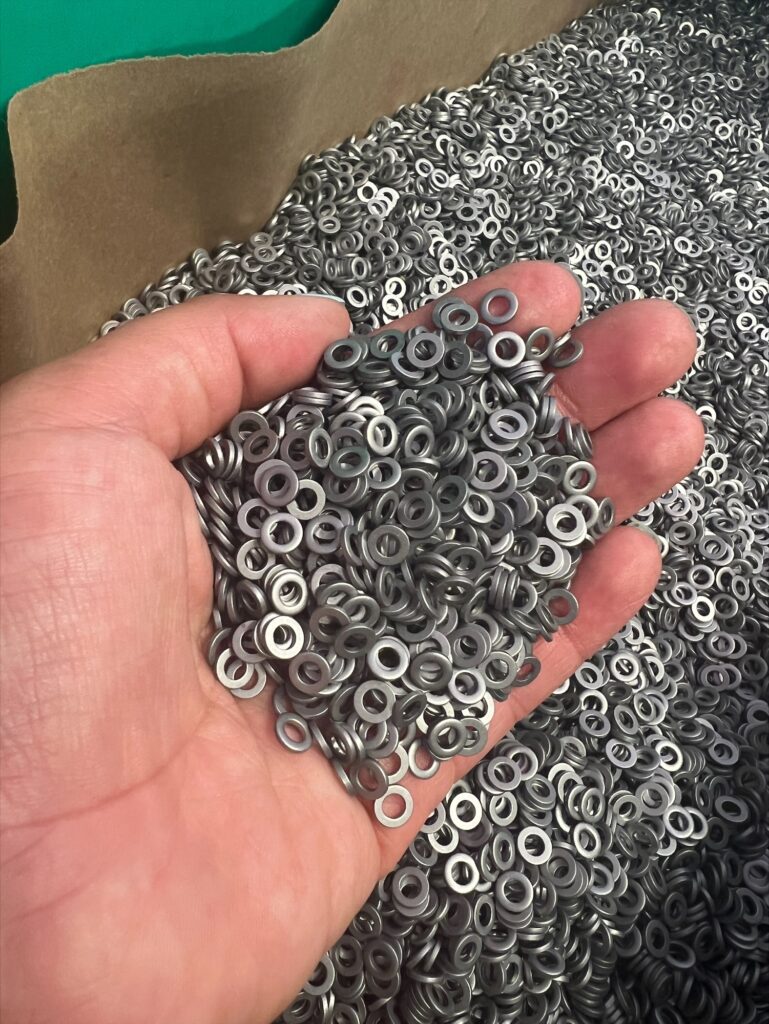
Heat Treat + Nickel: Building More Durable Parts
Take a bare metal part fresh off the machine. It might have the right dimensions. It might have the right threads. But look closer. The surface is a landscape of microscopic peaks and valleys. Under a load, those peaks are stress points. In a corrosive environment, those valleys are where corrosion starts. For a part […]
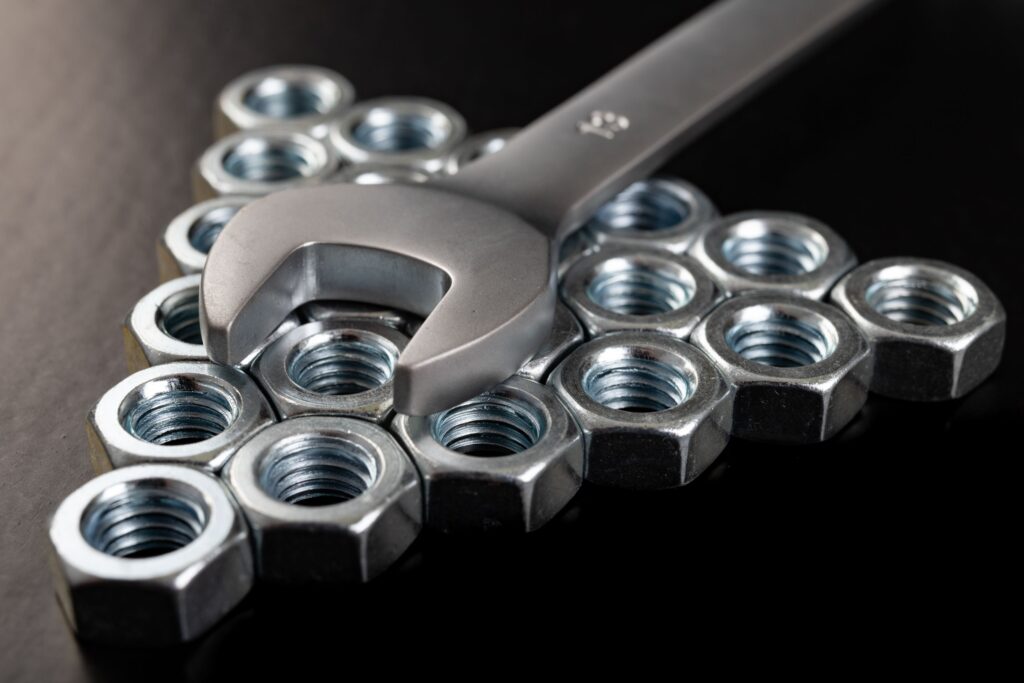
Electrolytic or Electroless Nickel Plating: When Should You Choose One Over the Other?
At Reid Metal Finishing, we offer a wide range of different metal finishing options, including both electrolytic and electroless nickel plating services. Today, we’re going to take a deeper dive into the nuances between these two types of nickel plating, and when to choose one or the other. Electrolytic vs. Electroless: Different Processes of Nickel […]
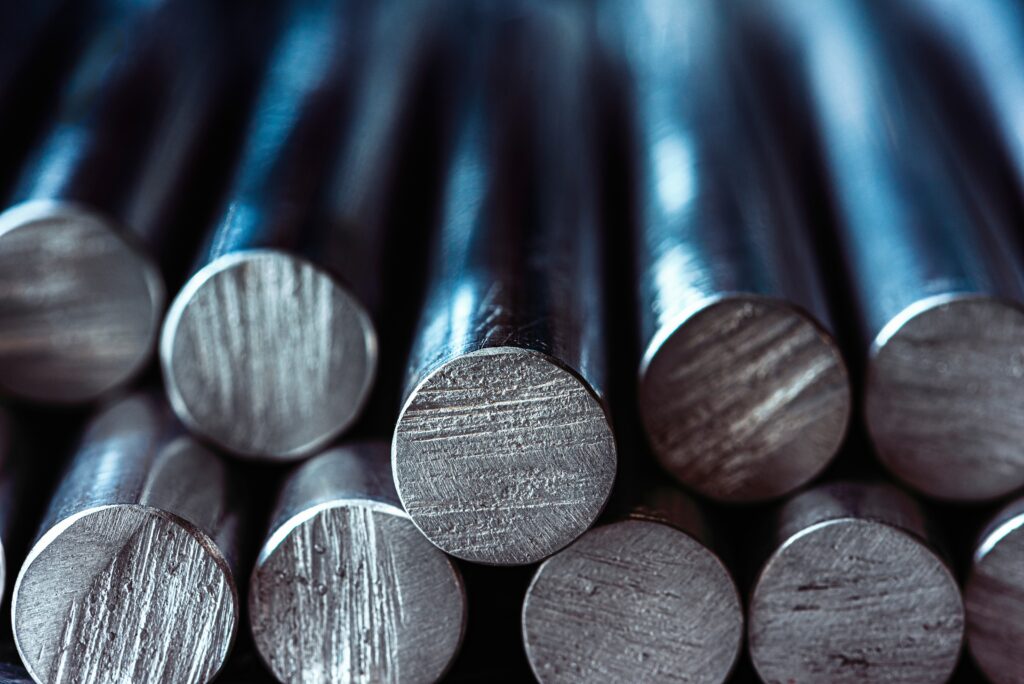
How the Different Aluminum Alloys Affect Chemical Conversion Coatings
Aluminum alloys are widely used throughout manufacturing mainly due to their excellent strength-to-weight ratio and the easy machinability of these metals. Naturally, aluminum reacts with oxygen in the atmosphere to form a thin, protective layer of aluminum oxide, but for harsh environments, especially those found in military and aerospace applications, this natural layer isn’t enough. […]
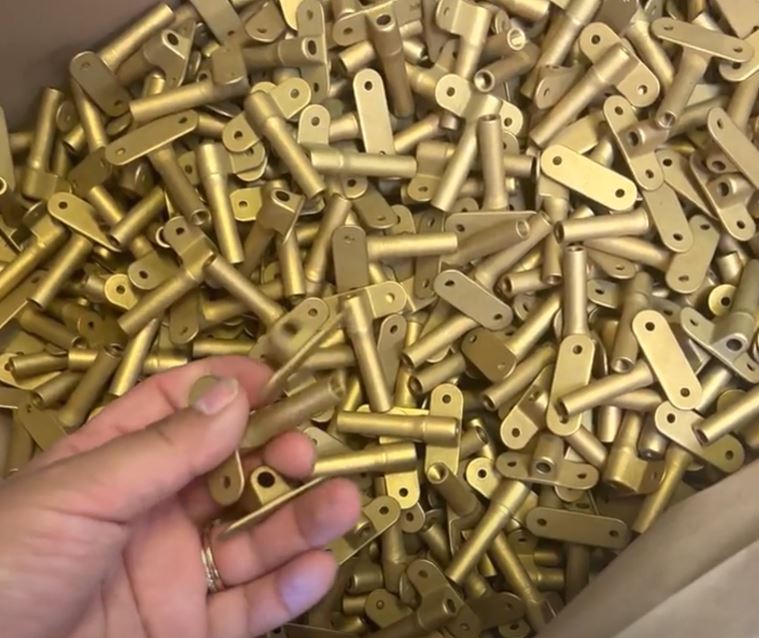
Introduction to Chemical Conversion Coatings
Conversion coatings, or chemical conversion coatings, is a common type of metal finishing operation, and a very broad term as well that many common surface finishing techniques fall under. This article aims to offer a comprehensive overview of all that chemical conversion entails, as well as the common types of conversion coatings and their typical […]
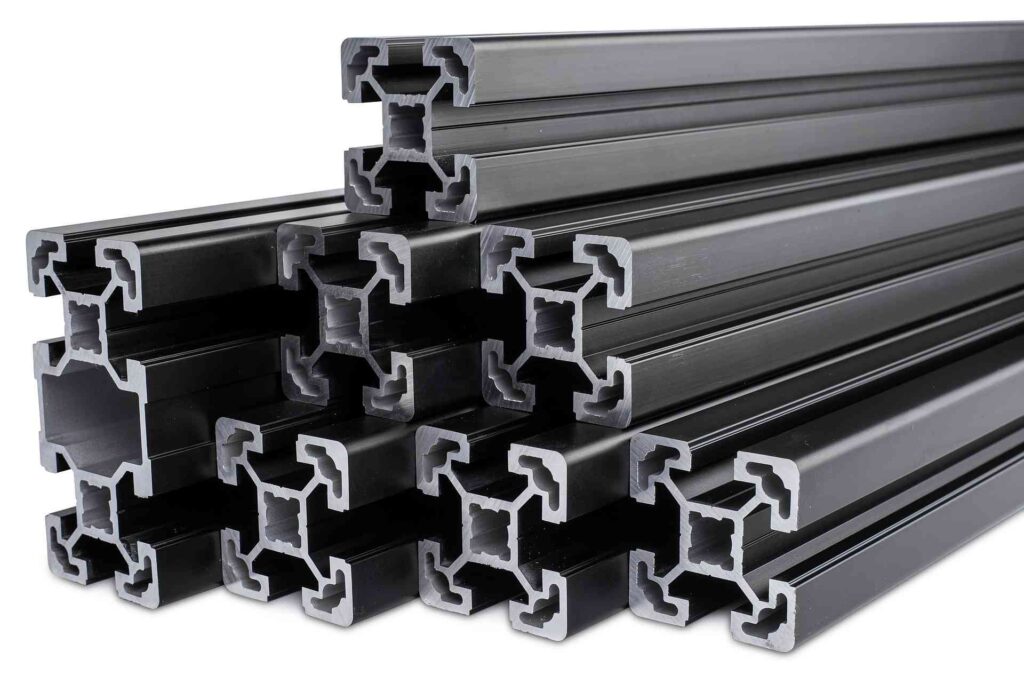
What Is Hard Anodize and When Should You Use It?
Hardcoat or hard anodize is a type of metal surface treatment used primarily on aluminum components, and is one of the three main types of aluminum anodizing, as well as one of the services that Reid Metal Finishing offers. While it still follows the same basic premise of anodizing by transforming the natural aluminum oxide […]
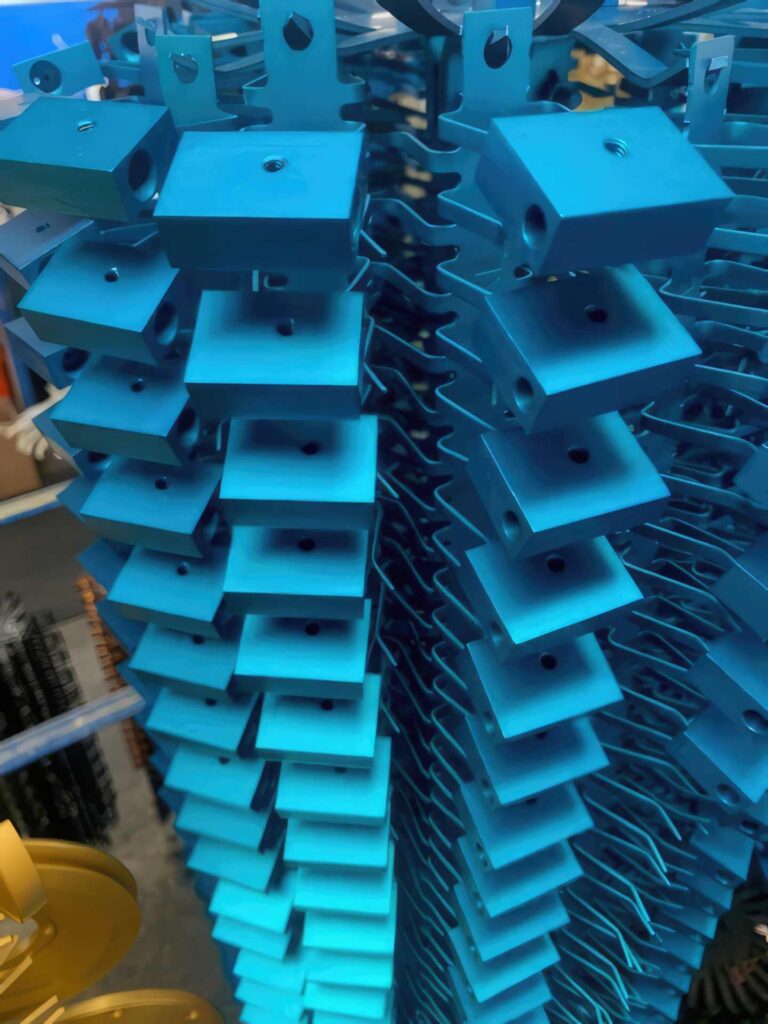
Anodization vs Other Finishes: Is Anodization Right for You?
Anodization is a common surface treatment meant to increase a metal’s corrosion and wear resistance, as well as prepare the surface for paint, primer, or other coatings. The process involves taking advantage of the natural oxide layer that develops on a metal surface and thickening it into a proper barrier that won’t easily react to […]