
Anodization vs Other Finishes: Is Anodization Right for You?
Anodization is a common surface treatment meant to increase a metal’s corrosion and wear resistance, as well as prepare the surface for paint, primer, or other coatings. The process involves taking advantage of the natural oxide layer that develops on a metal surface and thickening it into a proper barrier that won’t easily react to its environment.
Anodizing is more cost effective than other types of metal surface finishes, but tends to be more costly upfront than simpler finishes like painting or powder coating, falling into a middle ground between the two. So when should you turn to anodization to protect your metal components?
Aluminum Anodization: A Common Treatment for Aluminum
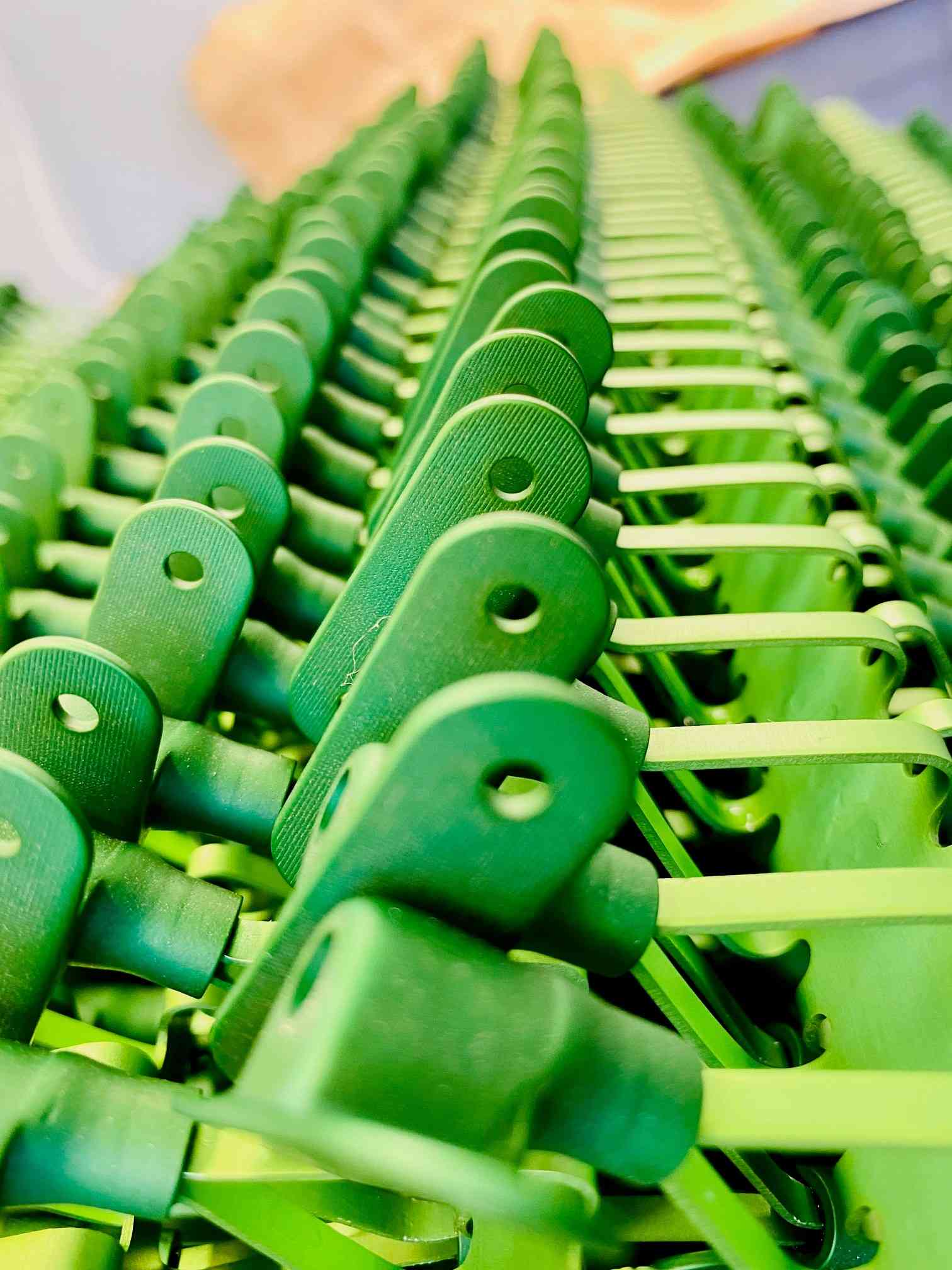
Anodization is most often used to treat aluminum alloys, insulating them against corrosion and improving the surface’s adhesion to dyes and paints. While anodizing can be used on other metals, like titanium, magnesium, and more rarely, stainless steel or zinc, Aluminum is the easiest and most cost efficient metal to anodize, because it already naturally forms an oxide layer on its surface. If you’re looking to treat and protect aluminum components, then anodization is an excellent choice, offering long-term protection. For other metals, however, other surface treatments would serve better, depending on the application.
Maintaining Vibrant Colors
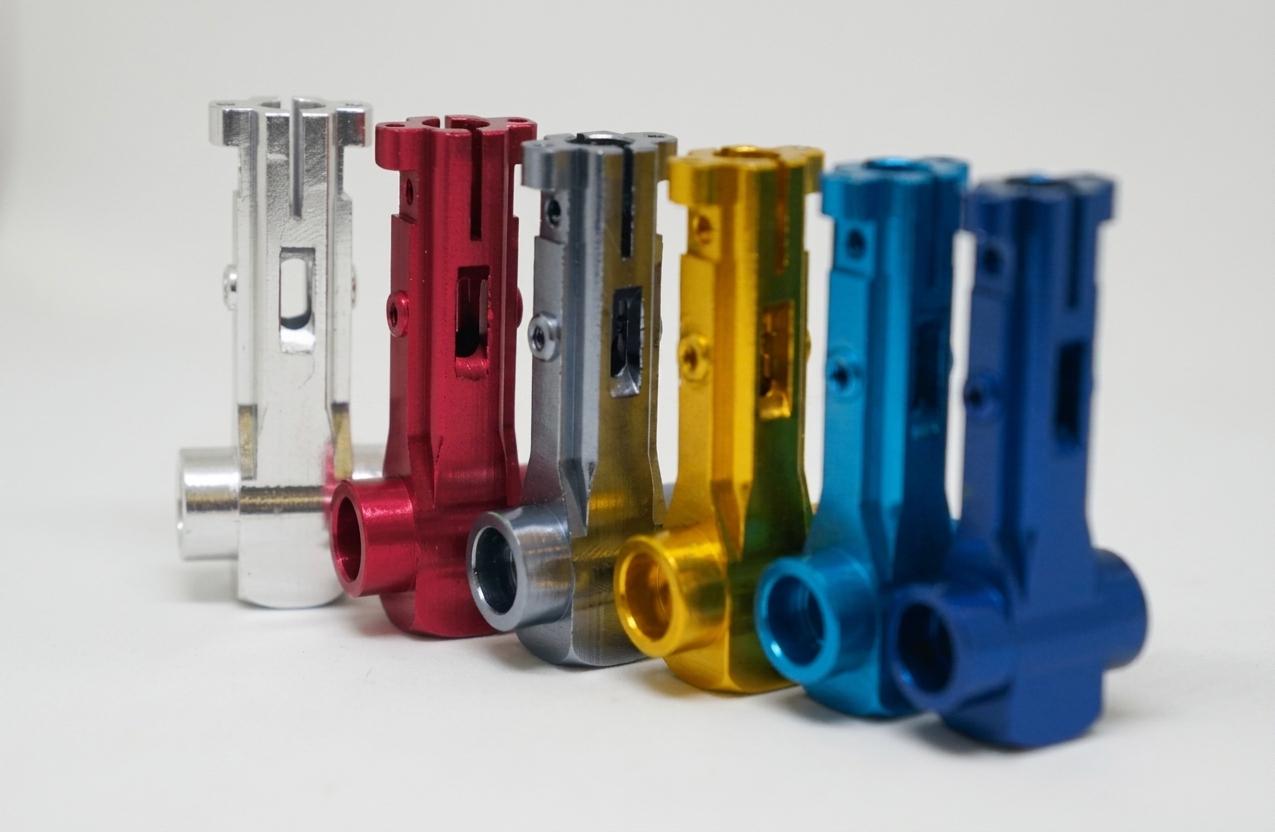
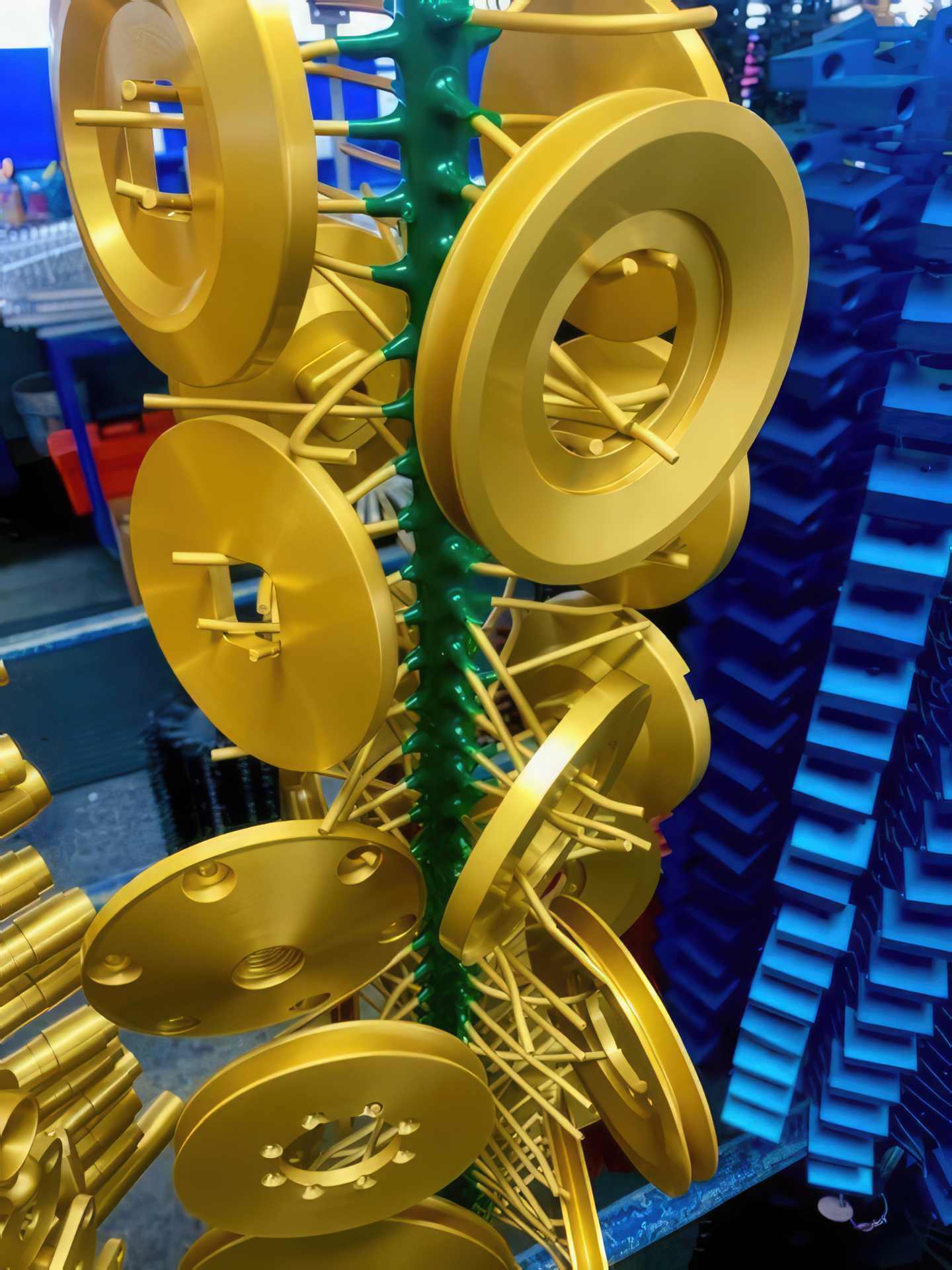 Another characteristic of anodization is its ability to accept dyes, regardless of the metal being anodized, though it works especially well with aluminum. Anodization, combined with dyeing, results in vibrant metallic colors that generally resist fading, although UV resistance varies depending on the dye. If you’re looking for a finished and aesthetic product without the need for further processing or painting, anodization is an excellent choice.
Versatile Thickness or High Precision
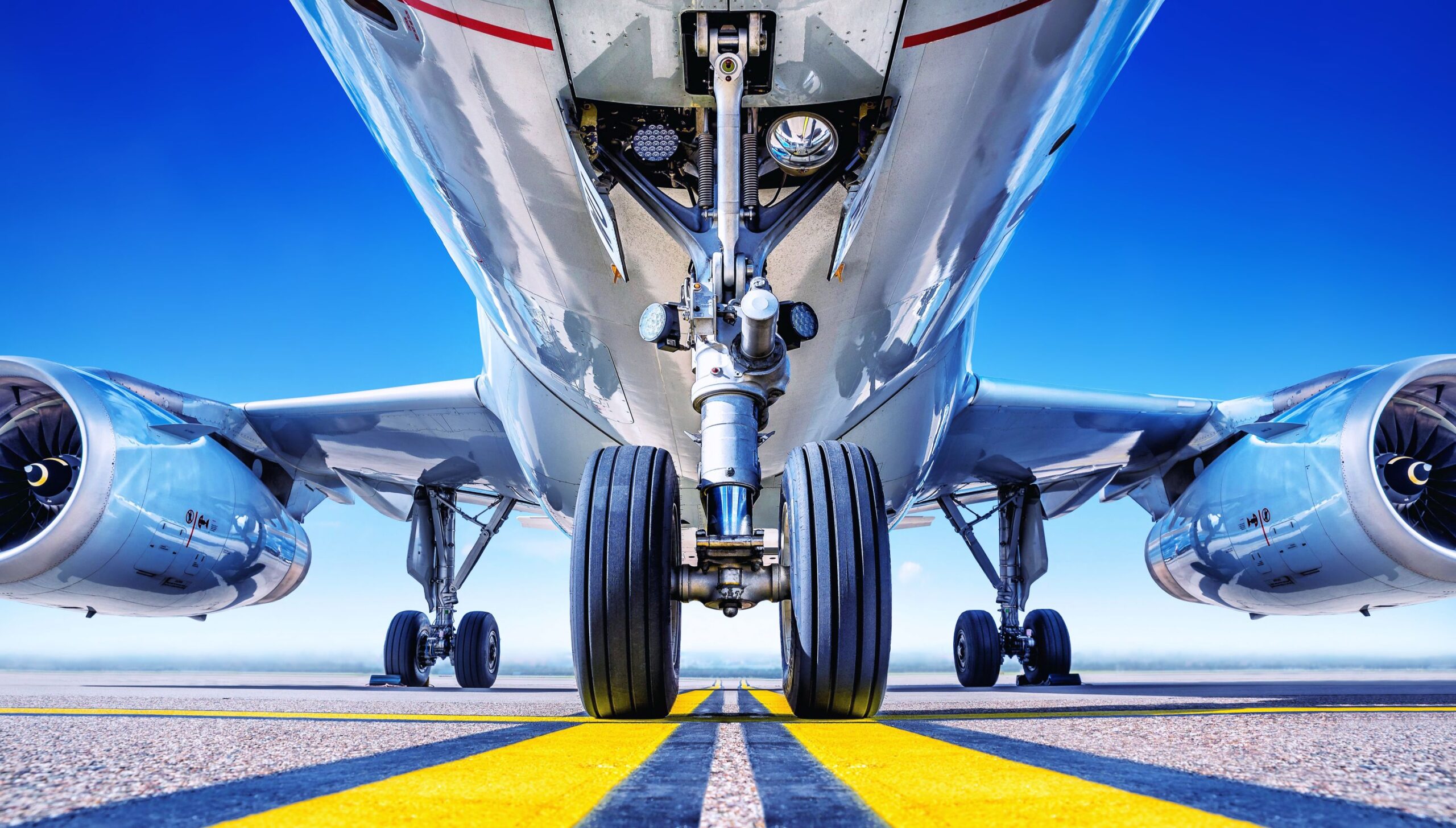
One of the biggest advantages that anodization has is its thickness. Because the treatment involves changing the metal surface itself, the resulting layer is extremely thin and will have little to no effect on geometrical tolerances. This makes it popular for components that require durability and precision, such as certain automobile parts, aerospace systems, and electronics. Though anodization does not necessarily strengthen the part overall, it does protect the underlying metal from corrosive and abrasive environments. If precision is a necessity, anodizing your components will help to maintain that precision without sacrificing durability or surface protection against the elements.
Interested in anodization? Consider working with Reid Metal Finishing
Reid Metal Finishing (RMF) is a premiere metal finishing company offering a variety of surface treatments for some of the most demanding industries. We offer everything from anodization to plating and more, all right here in the U.S. Get in touch with us to learn more about what we can offer.